Coldharbour Lane flat cleaning insider tips for tenants
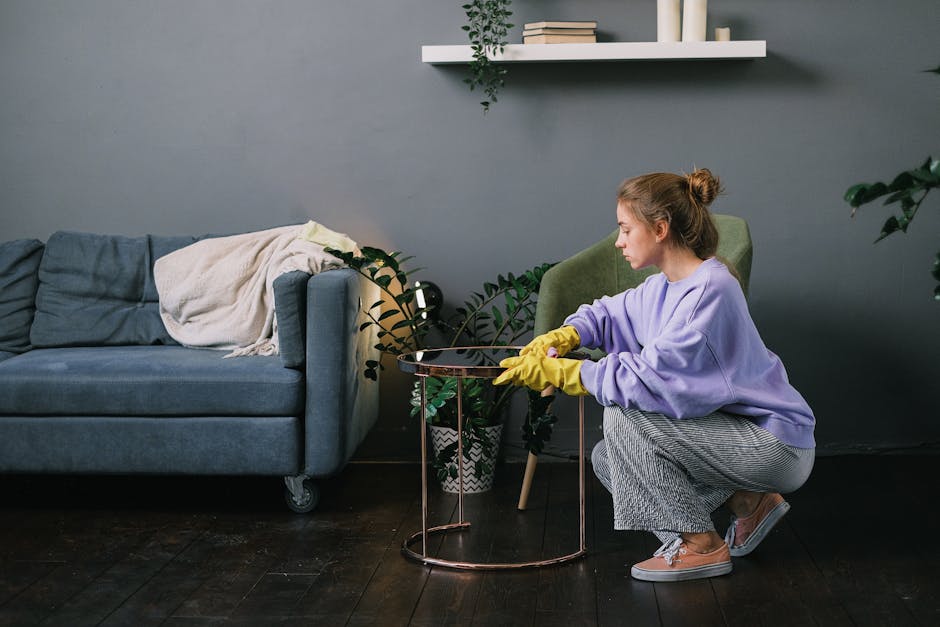
If you rent a flat near Coldharbour Lane, you already know the cleaning reality can be a bit of a moving target. One week it's everyday upkeep; the next it's landlord inspection time, a checkout inventory, or that slightly dreaded "please leave the place as you found it" conversation. This guide to Coldharbour Lane flat cleaning insider tips for tenants cuts through the noise and gives you the practical stuff that actually helps: what matters most, how to clean efficiently, where tenants usually get caught out, and when a proper deep clean or end-of-tenancy clean makes sense.
Truth be told, most flat cleaning problems are not about effort. They're about missing the right spots, using the wrong products, or leaving things until the very last minute. Let's make it simpler. You'll find a clear process, room-by-room tips, a checklist, and a few local-life realities that tend to come up in Brixton-style rental properties: compact kitchens, busy hallways, shared bins, hard water marks, older fittings, and carpets that seem to collect life at the speed of light.
Why Coldharbour Lane flat cleaning insider tips for tenants Matters
Cleaning a rented flat is not just about looking tidy on the day you hand back the keys. It affects your deposit, your stress level, and sometimes the goodwill between you and your landlord or letting agent. Around busy London streets like Coldharbour Lane, flats often see more foot traffic, more dust from open windows, and more everyday mess in smaller spaces. That means small cleaning jobs can snowball quickly. A bit of grease in the kitchen becomes a sticky film; a shower limescale patch becomes a stubborn white crust; a bit of carpet fluff starts to look like a proper stain.
Tenants often ask, "Do I really need to clean everything deeply if I've lived there only a short time?" Fair question. The short answer is usually yes, but with common sense. You are typically expected to return the property in a similar condition to when you moved in, allowing for fair wear and tear. That does not mean making a flat look brand new. It does mean getting it genuinely clean, especially the places that show inspection damage quickly: ovens, taps, skirting boards, inside cupboards, shower glass, and behind appliances.
There's also a more practical reason. A careful clean makes moving day feel calmer. No one likes packing boxes while thinking about dusty vents and a mysterious smell from the fridge. One less thing to worry about, frankly.
How Coldharbour Lane flat cleaning insider tips for tenants Works
The best tenant cleaning approach is part routine, part strategy. You work from the top of the flat down, from dry areas to wet areas, and from hidden spots to high-visibility surfaces. That way you do not undo your own work. For example, cleaning the kitchen floor before wiping cupboards is backwards. By the time you finish the cupboards, the floor will need doing again. Been there, seen that, not ideal.
In practice, the process usually looks like this:
- Declutter first: remove bags, loose items, rubbish, and anything you're taking with you.
- Dry clean before wet clean: dust, vacuum, and wipe loose debris away first.
- Target high-risk areas: ovens, bathrooms, sinks, taps, fridge shelves, and floors.
- Finish with details: switches, handles, skirting boards, window ledges, and inside drawers.
- Do a final walkthrough: check smells, marks, and the places your eye skips when you're tired.
If you're dealing with a larger or particularly lived-in property, a deep cleaning approach is often more realistic than a quick tidy-up. For end-of-tenancy situations, many tenants also pair that with end-of-tenancy cleaning where the property needs a fuller reset before inspection.
There is no magic here. Just sequence, patience, and the willingness to clean the same corner twice if needed. Annoying? A little. Effective? Absolutely.
Key Benefits and Practical Advantages
When tenants clean properly, the benefits go well beyond the deposit. You get a cleaner handover, less chance of dispute, and a better shot at leaving on good terms. That matters more than people admit.
- Lower deposit risk: A well-cleaned flat reduces arguments over avoidable dirt or grime.
- Faster handover: Agents and landlords can inspect more smoothly when the obvious cleaning jobs are done.
- Less last-minute panic: If you clean in stages, moving day is much less chaotic.
- Better hygiene: Especially helpful in kitchens, bathrooms, and homes with pets or lots of cooking.
- Stronger first impressions: If you're referencing the property for a return visit, or simply want good relations, it helps.
A practical example: a tenant in a compact two-bed flat might spend hours on visible surfaces and still lose time on overlooked areas like extractor fans or the top of kitchen cabinets. By focusing first on the hidden high-impact spots, they can usually achieve a better finish in less time. It feels almost unfair how much difference that makes, but it does.
Another advantage is that cleaning properly helps you spot issues early. A loose seal under the sink, chipped tile grout, or a stain that needs specialist treatment becomes obvious once the clutter is out of the way. That gives you time to sort things before checkout, rather than discovering them when the keys are already back at the agent's office.
Who This Is For and When It Makes Sense
This guide is for tenants who want a realistic, non-fussy way to clean a flat well. It is especially useful if you are:
- moving out of a rented flat on or near Coldharbour Lane
- preparing for an inventory or checkout inspection
- trying to improve day-to-day flat maintenance before a tenancy ends
- sharing a property and need a fair cleaning plan between housemates
- trying to decide whether to do it yourself or book a professional cleaner
It also makes sense if your flat has the usual London rental quirks: not much storage, an oven that somehow gets dirtier when nobody has used it, windows that show every smudge, and a bathroom that gathers limescale with suspicious speed. If that sounds familiar, you're in good company.
Sometimes tenants only need a one-off cleaning session to bring everything back to a sensible standard. Other times, if the kitchen, carpets, or soft furnishings are really tired, it helps to bring in specialist support such as carpet cleaning, sofa cleaning, or window cleaning.
Step-by-Step Guidance
Here's the cleanest way to tackle a rented flat without wasting energy. Start with the obvious, then move to the awkward bits.
1. Read the inventory and tenancy notes
Before you clean anything, check your inventory report, move-in condition photos, or landlord instructions. This helps you focus on what matters. If the report says the carpet had visible wear at move-in, you don't need to panic-polish it into perfection. But if the oven was clean then, you will want to match that standard now.
2. Clear out everything personal
Remove food, toiletries, old clothes, charging cables, and random bits from drawers, cupboards, and shelves. Cleaning around clutter is a false economy. You keep moving the same items and never really finish the job. If needed, book house clearance help for bulky items or leftover furniture you cannot take.
3. Start in the kitchen
The kitchen usually causes the most inspection friction. Wipe cabinet fronts, handles, splashbacks, hob edges, and inside cupboards. Clean the fridge shelves and seals. Pull appliances out where safe and reachable, because crumbs and dust love hiding there. The oven deserves its own attention; if it has burnt-on grease or a smoky smell, booking oven cleaning is often a sensible time-saver.
4. Move to the bathroom
Bathrooms are about shine, not just neatness. Scrub the toilet base, descale taps, clean shower screens, and wipe tile grout. The trick is to remove build-up rather than mask it. If the shower screen is covered in hard-water marks, a thorough clean will make the room feel fresh again even if the suite is older.
5. Tackle bedrooms and living areas
Dust skirting boards, light switches, plug sockets, shelves, and window ledges. Vacuum slowly along edges, under beds, and behind furniture. If the flat has rugs or heavier floor coverings, specialist rug cleaning can lift odours and dullness that ordinary vacuuming won't shift. For upholstered chairs or a tired sofa, upholstery cleaning can make the room look more finished with surprisingly little drama.
6. Finish with floors and glass
Hard floors should be swept, vacuumed, and then properly mopped with the right product. If the property has engineered wood or stone-effect flooring, use care and do not flood it. For specialist surfaces, hard floor cleaning is often more appropriate than a standard mop-and-bucket approach. Then clean mirrors and windows, because smears show up like nothing else in daylight. Very unfair, but there it is.
7. Do the final inspection pass
Stand in the doorway and look at the flat as if you were the landlord arriving five minutes early. Smell the air. Open a cupboard. Check behind the bathroom door. Look up. People miss the top of extractor fans and wardrobe rails all the time. That final pass is where the difference between "pretty good" and "properly ready" usually happens.
Expert Tips for Better Results
If you want your cleaning to feel less like a scramble and more like a plan, these are the details that help. They sound small. They are not small.
- Work from dry to wet: dust first, then spray and wipe. Otherwise you turn dust into paste.
- Let products sit: a few minutes of dwell time often beats aggressive scrubbing.
- Use microfibre cloths: they pick up grease and fine dust better than old T-shirts, charming though those are.
- Clean handles and switches last: they're touched constantly, so they collect fresh marks quickly.
- Open windows while cleaning: especially if you use stronger products in kitchens or bathrooms.
- Take before-and-after photos: useful if you want to show the condition at handover.
One practical little habit: keep a separate bag for "inspection items" as you clean. Things like a spare bulb, remote controls, appliance manuals, or keys that need to stay with the property. It saves that weird ten-minute hunt at the end when everyone is tired and one person is standing in the hallway saying, "I'm sure it was here earlier."
If you're short on time, focus on the places that create the strongest visual impression: kitchen surfaces, bathroom shine, window glass, and floors. Those are the zones people notice first, even if they don't consciously know why.
Common Mistakes to Avoid
Most move-out cleaning mistakes are predictable. That's the good news. The bad news is people still make them under time pressure.
- Leaving the oven until the last minute: burnt-on grease takes longer than expected.
- Cleaning only visible surfaces: agents and landlords often check inside cupboards, behind toilets, and along edges.
- Using too much water: especially on wooden floors or delicate finishes.
- Forgetting light fittings and vents: dust collects up high and becomes very noticeable once the room is otherwise clean.
- Ignoring odours: stale bin smells, fridge odours, and pet smells can make a flat feel unclean even when it looks tidy.
- Not checking your tenancy agreement: some agreements specify cleaner return standards or expectations for carpets and appliances.
A slightly embarrassing but real one: people often assume a room is done because it looks tidy in soft evening light. Then the morning sun comes in through the window and suddenly every smear on the glass turns up like a witness. Best to check in daylight if you can.
If a flat has been heavily lived in, or if there's post-renovation dust, a specialist service such as after builders cleaning may be more appropriate than a standard tidy clean. Different jobs, different outcomes.
Tools, Resources and Recommendations
You do not need a mountain of kit. In most flats, a small but sensible cleaning set is enough. Keep it simple and avoid buying five nearly identical sprays because the label looked convincing in the supermarket aisle.
| Cleaning task | Useful tools | Best approach |
|---|---|---|
| Kitchen grease | Degreaser, microfibre cloths, non-scratch sponge | Apply, wait briefly, wipe thoroughly |
| Bathroom limescale | Descaler, cloth, old toothbrush | Focus on taps, screens, tiles and shower heads |
| Floors and skirting | Vacuum, mop, dust cloth | Vacuum first, mop second, dry where needed |
| Upholstery and rugs | Fabric-safe cleaner, brush, vacuum | Test first and avoid over-wetting |
| Windows and mirrors | Glass cleaner, lint-free cloth | Work in strips to avoid streaks |
For tenants who want help beyond the basic toolkit, a professional cleaning company can take pressure off the final week. If you need regular upkeep before move-out, domestic cleaning or house cleaning support can keep things under control over time. And if the issue is only one room or one problem area, one-off cleaning can be a neat middle ground.
For tenants comparing help options, it can also be worth looking at whether a provider offers cleaners or home cleaners for more general support, rather than only very specific treatments. The right choice depends on what the flat actually needs. Not what the flyer promises.
Law, Compliance, Standards, or Best Practice
For tenants in England, the key point is usually about returning the property in the condition required by the tenancy agreement, allowing for fair wear and tear. In ordinary terms, that means cleaning it properly, but not being asked to perform miracles. If something was already worn or damaged when you moved in, that should ideally be reflected in the inventory. Keep your copies. Seriously, keep them.
Good practice is to follow the evidence trail: your check-in report, photos from moving day, any maintenance emails, and your checkout instructions. If a landlord or letting agent asks for specialist cleaning, make sure the request is consistent with the tenancy agreement and the condition of the property. If you're unsure, it's sensible to ask for clarification in writing rather than guessing and overpaying for unnecessary work.
From a safety perspective, use cleaning products carefully, ventilate rooms, and follow label instructions. That sounds obvious, but many small flat accidents happen when people mix products or rush a strong cleaner into a poorly ventilated bathroom. A little caution goes a long way. Also, if you hire help, it is reasonable to look for clear information about health and safety, insurance and safety, and fair terms such as terms and conditions.
If waste disposal becomes part of the move, recycling and sensible sorting matter too. Many tenants forget that cleaning out a flat creates more rubbish than expected: packaging, old bags, broken storage boxes, and the mysterious drawer of stuff nobody claims. A simple approach to recycling and sustainability can make the whole process feel more under control.
Options, Methods, or Comparison Table
There are usually three ways tenants handle cleaning before leaving a flat. Each has its place.
| Approach | Best for | Pros | Trade-offs |
|---|---|---|---|
| DIY clean | Small flats, light use, plenty of time | Cheaper, flexible, fully under your control | Time-consuming, easy to miss details |
| Targeted specialist help | One stubborn problem area like oven, carpets, or bathroom limescale | Efficient, focused, good for problem spots | May still need general cleaning around it |
| Full professional clean | End of tenancy, tight deadlines, larger or heavily used flats | Thorough, less stressful, good for handover prep | Higher cost than DIY |
If you're on the fence, ask yourself one thing: do you need help with a specific mess, or do you need the whole place brought back to a checkout-ready standard? That usually answers the question faster than hours of comparison shopping. And yes, the oven is often the deciding factor. The oven has a lot of opinions.
Case Study or Real-World Example
A fairly typical situation: two tenants in a compact Coldharbour Lane flat realise they have five days before handover and a mixed cleaning picture. The living room is tidy, but the kitchen has grease around the hob, the bathroom has limescale on the tap, and the bedroom carpet has a few darker patches near the bed. At first, they try to clean everything in one evening. That goes about as well as you'd expect. They spend too much time on the living room and too little on the kitchen.
The better plan was simpler. They split the flat into priority zones. One person handled the kitchen and bathroom, while the other vacuumed, dusted, and sorted the bedrooms. They also booked specialist support for the oven and carpet areas, because those were the things most likely to be noticed at checkout. The flat ended up looking calm, clean, and cared for rather than merely "we had a go at it."
The important lesson? Prioritise the visible problem areas first, and don't waste energy trying to deep-clean every square inch yourself if one or two specialist jobs are really carrying the risk. That's not laziness. That's judgement.
Practical Checklist
Use this simple checklist before you hand the keys back. It's not glamorous, but it works.
- Remove all personal belongings, rubbish, and leftover food
- Empty and wipe kitchen cupboards and drawers
- Clean oven, hob, extractor, and fridge interior
- Descale bathroom taps, shower screens, and sinks
- Wipe skirting boards, switches, handles, and ledges
- Vacuum carpets, rugs, and under furniture
- Clean hard floors with the correct product and minimal water
- Wash mirrors, glass, and window ledges
- Check for marks on walls, doors, and light fittings
- Open windows and remove lingering smells
- Take final photos of every room
- Keep the inventory and any cleaning receipts together
If you are running out of time, do not panic-clean at random. Start with the kitchen, then the bathroom, then floors and glass. That order alone saves a lot of grief.
Get a free quote today and see how much you can save.
Conclusion
Coldharbour Lane flat cleaning is easiest when you treat it as a sequence, not a sprint. Focus on the rooms that matter most, use the right method for each surface, and leave yourself enough time for a proper final check. A well-cleaned flat is easier to hand over, easier to defend if there's a query, and a lot less stressful to leave behind.
If you only remember one thing, make it this: clean the flat the way an inspector would look at it, not the way you look at it when you're tired and want the whole thing over with. That small shift changes everything. And on moving day, that matters more than people think.
Whether you do it yourself, share the work with housemates, or bring in specialist support for the stubborn bits, the goal is the same: a fair, tidy handover and a cleaner exit. Simple enough. Not always easy. But absolutely doable.
Frequently Asked Questions
What are the most important areas to clean before leaving a flat on Coldharbour Lane?
The highest-priority areas are usually the kitchen, bathroom, floors, and windows. Those are the places most likely to affect an inventory check because dirt, grease, limescale, and smudges are easy to spot.
Do tenants have to deep clean a rented flat when moving out?
Not always in the same way, but you do need to return the property in a clean condition that matches the tenancy expectations and allows for fair wear and tear. If the property is heavily used, a deep clean often becomes the practical solution.
Is professional end-of-tenancy cleaning worth it for a small flat?
It can be, especially if time is short or the flat has problem areas such as an oven, stained carpets, or stubborn bathroom build-up. For some tenants, the time saved is worth more than the DIY effort.
What usually causes deposit disputes over cleaning?
Common triggers include dirty ovens, neglected bathrooms, missed dust in corners, stained carpets, and greasy kitchen surfaces. Missing the hidden spots is usually what causes trouble, not the obvious ones.
How far in advance should I start cleaning before checkout?
Ideally a few days before handover, not the night before. That gives you time to clean in stages, spot any missed areas, and deal with surprise issues like a smelly fridge or stubborn marks on the glass.
Can I just do a quick tidy and still pass the inspection?
Sometimes, if the property has been lightly used and kept clean throughout the tenancy. But most flats need more than a tidy. Checkout inspections usually focus on details, not just first impressions.
What cleaning jobs are most often forgotten by tenants?
Light switches, skirting boards, extractor fans, cupboard tops, window tracks, and behind appliances are often forgotten. Those small omissions can make an otherwise clean flat look unfinished.
Should I keep receipts for cleaning services?
Yes, if you hire anyone. Receipts and booking records can be useful if there is a question about what was done and when. They also help show that you took the cleaning seriously.
What if my tenancy agreement mentions professional cleaning?
Read the wording carefully. In many cases, the expectation is about the standard of cleanliness rather than forcing you to use a particular company. If the wording is unclear, ask for clarification in writing before booking anything.
How do I deal with smells in a flat before handing it back?
Take out all rubbish, clean the fridge, empty bins, air the property, and wash any fabric items that hold odours. If smells still linger, carpets or upholstery may need specialist cleaning.
What should I do if the flat has carpets or rugs that look dull?
Vacuum thoroughly first, then consider whether a deeper treatment is needed. If the marks or odour are obvious, professional carpet cleaning or rug cleaning can make a big difference.
How can I choose between DIY cleaning and hiring help?
Ask yourself how much time you have, how dirty the property is, and which areas are likely to be checked closely. If you are short on both time and patience, even one targeted service can take a lot of pressure off.
Who can help if I want a broader clean rather than a single-room fix?
Tenants often look for cleaners, home cleaners, or a broader cleaning company when they want support beyond one specific job. The right choice depends on how much of the flat needs attention.