Oven Cleaning in Brixton

Our oven cleaning in Brixton focuses on the hard-working parts of domestic cooking appliances: the cavity, racks, trays, shelves, door glass, seals and removable components that collect baked-on grease over time. We provide a careful, methodical clean that aims to restore a fresher finish and make routine kitchen use feel easier to manage. If you need a straightforward service for a single oven or a more involved clean for a well-used appliance, we work in a way that is practical, tidy and suited to regular home use.
The service is designed for people who want a proper reset without tackling the grime themselves. We remove loose residue, break down stubborn deposits with suitable products and pay attention to detail around areas that are often missed during everyday wiping. That includes the inside surfaces, visible glass, edge trims and the fittings that can trap carbon and grease. It is a focused cleaning service, not a cosmetic shortcut.
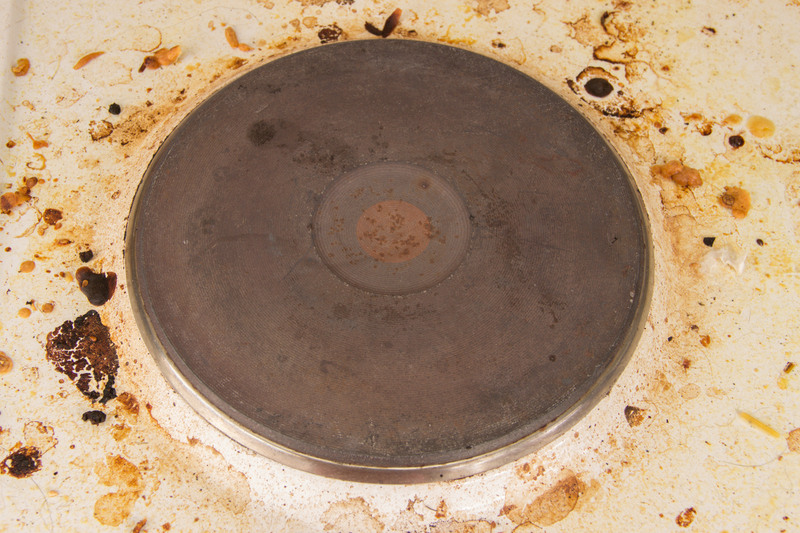
Alongside ovens, the same approach can often be applied to related cooking equipment where a deeper clean is needed, such as extractors, hobs and range-style appliances. The exact work depends on the appliance type and condition, but the overall aim stays the same: cleaner surfaces, more usable equipment and a finish that looks cared for rather than neglected. If you are comparing options, ask for a quotation and we can outline what is suitable for your appliance.
What our oven cleaning service covers
Our standard oven cleaning work begins with a check of the appliance layout so the clean can be carried out in a sensible order. Removable racks, trays and shelves are taken out where possible, then cleaned separately so the cavity can be treated thoroughly. Grease build-up around the base, sides and roof is then addressed, together with the door and seals. The goal is to reduce residue without forcing abrasive treatment onto the surfaces that need a more careful touch.
Different oven styles need different handling. A compact single oven, a double oven, a built-in unit and a range cooker all present their own access points and internal fittings. We work with the appliance in front of us rather than treating every job as identical. If there are areas with heavy carbon, burnt-on spills or discoloured corners, the cleaning process is adjusted to spend longer where that is useful and to avoid unnecessary wear elsewhere.
In practical terms, the service is about restoring usable cleanliness rather than overpromising a brand-new appearance. Some staining may be permanent on older enamel or glass, and certain marks are better described as reduced than fully removed. Honest expectations matter here, especially when an oven has gone a long time between deep cleans. We will always keep the work focused on a good, sensible finish instead of making unrealistic claims.
Why a deep clean matters

Oven interiors gather layers of grease, food splatter and carbonised residue as part of normal cooking. Over time, those deposits can make the appliance harder to keep clean and may leave surfaces looking dull even after routine wiping. A deeper clean can break that cycle by removing the thicker build-up that standard day-to-day maintenance does not usually tackle. That helps return the appliance to a more manageable state for ordinary household use.
There is also a practical side to the visual improvement. When racks slide more freely, glass is clearer and the cavity is less coated, the whole appliance tends to feel easier to use. People often choose a deep clean before hosting, after a long period of heavy cooking, or simply when the oven has reached the point where a surface wipe is no longer enough. The aim is a more hygienic-looking, better-presented appliance that supports everyday cooking.
For many homes, the most useful result is consistency. Instead of doing a little bit of scraping every week, a thorough clean gives you a better starting point for routine upkeep. That can make future maintenance faster and less frustrating. If you are comparing a one-off clean with lighter domestic cleaning, it helps to think about the condition of the appliance itself rather than the room around it.
Internal oven details we pay attention to
We give attention to the areas that are usually most difficult to keep on top of during everyday kitchen cleaning. The oven door, especially the glass, often holds stubborn streaks and cooked-on splashes that benefit from patient work. Hinges, edges, seals and frame lines can also trap debris. By addressing these sections carefully, the clean becomes more complete and the finished appliance looks balanced from the outside as well as inside.
Racks, trays and shelves are equally important because they carry the marks of direct contact with food and heat. These parts can often be cleaned more effectively when removed from the main cavity, allowing better access and more even treatment. Where accessories are heavily stained, the process may involve extra soaking or repeated passes, depending on the material and condition. This is one reason a proper deep clean differs from a quick wipe-down.
Where suitable, we can also look at deep cleaning methods that support a more intensive approach to the greasy, compact spaces found in cooking appliances. That broader service perspective is useful when you are dealing with more than a light surface clean and need a result that reflects the actual state of the oven rather than a brief cosmetic tidy. It helps keep the work focused and proportionate.
Other kitchen equipment we can clean
Some customers want a cleaner oven as part of a wider refresh of the cooking area. In those cases, it can be helpful to consider related equipment at the same time, especially if grease and steam have affected several surfaces. We can discuss what is sensible to include, whether that means a hob, extractor or nearby appliance that would benefit from the same detailed attention. The idea is to keep the result coherent rather than tackling each item in isolation.
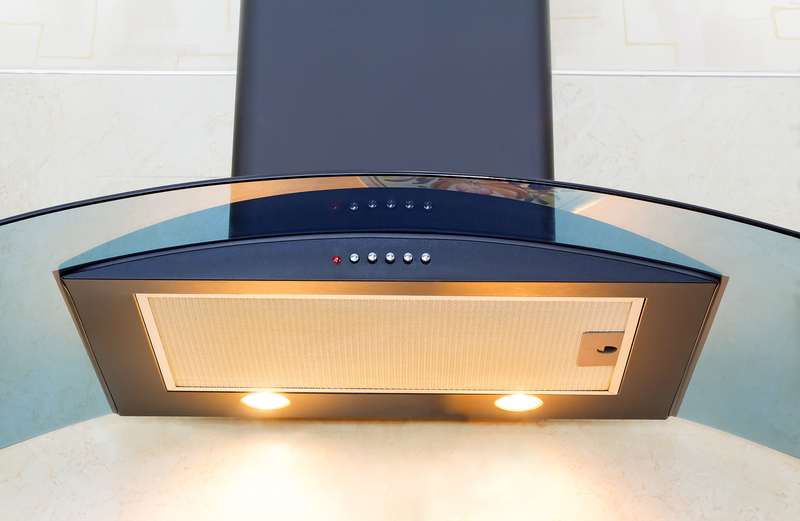
If a cooker hood or extractor has collected oily residue, it may need different products and methods from the main oven cavity. That is where a broader cleaning plan can be useful, because the right approach depends on the materials and the way the appliance is built. Our cleaner and cleaners pages sit alongside these service options, but the actual work still needs to be matched carefully to the specific item in front of us.
For homes that need more than a single appliance dealt with, an arranged visit can combine several suitable tasks into one practical appointment. One-off cleaning is often a relevant choice when the need is concentrated rather than recurring, because it allows the work to be organised around a specific outcome. That can suit busy households, move dates or appliances that simply need attention after a long gap.
How the clean is usually approached

The process normally starts with preparation, including checking the appliance type, identifying removable parts and setting out the sequence of work. Once that is done, the clean can move from the dirtiest internal sections to the finer detail work at the end. This helps keep residue from being spread back onto cleaned areas and makes the process more efficient. It also means the final finish is checked only after the heavier cleaning stages are complete.
For the customer, there are a few simple things that make an enquiry easier to price and plan without turning the conversation into a long task list. A clear description of the appliance type, its condition and any unusual features is usually enough to begin with. If there is anything awkward about access or if the oven has a particular layout, mentioning that early can help avoid confusion later. Keep the details practical and focused.
When you are ready to move forward, it is sensible to request a quotation based on the appliance rather than guessing from a generic price. That gives both sides a clearer basis for the work. Please get in touch if you want to compare options or talk through what needs cleaning. If the job is straightforward, the conversation can stay equally straightforward.
Pricing factors and quotation details
Several factors can influence the time and effort needed for oven cleaning, and therefore the quotation. Appliance size is one obvious point, but condition matters just as much. An oven with light surface residue usually takes less time than one with repeated burnt-on deposits, discoloured racks or glass that has not been properly cleaned for a long period. The quotation should reflect that difference rather than assuming every appliance needs the same amount of work.
Access can also be relevant, especially where the oven is built in tightly, positioned below a worktop or combined with additional parts that need careful removal. Some jobs may need more attention to edges and fittings, while others are more direct. Pricing and quotes is the natural place to look if you want a service discussion that stays transparent and practical. The aim is to make the estimate understandable, not complicated.
We do not rely on vague promises or blanket statements. A sensible quotation should reflect the actual task, the appliance style and the amount of build-up that needs removing. If you are comparing providers, that is often more useful than a headline claim. An honest price discussion can save time for everyone and helps the service stay properly matched to the work required.
Preparing for the appointment
There is usually very little preparation needed before an oven cleaning visit, but a small amount of organisation can make the appointment smoother. Making sure the appliance is reachable and that surrounding items are moved if needed will help the cleaning begin without delay. If you know of any issues with the oven, such as damaged parts or fittings that do not move correctly, it is helpful to mention them in advance so the work can be approached carefully.
It can also be useful to think about whether any related pieces should be included while the appliance is being cleaned. For example, a hob or cooker hood may be worth considering if they have built up grease in the same period. That kind of planning keeps the visit efficient. Oven cleaner and oven cleaning pages help to show the service focus, while the booking conversation can stay centred on the exact appliance and condition.
If your home has a larger cooking setup, or if the oven forms part of a more extensive kitchen clean, it is often sensible to say so at the outset. That does not mean the job must become complicated; it simply means the quotation can reflect the real scope. A clear brief makes it easier to decide what should be included and what should remain outside the appointment.
About Brixton
Brixton is a district in south London within the London Borough of Lambeth, known for its dense street pattern, strong transport links and a long history of change shaped by migration, markets and music. The area grew significantly with nineteenth-century railway development, and its high streets developed into a busy commercial centre with shops, markets and public venues. Brixton Road, Coldharbour Lane and Electric Avenue remain among the best-known streets, with Electric Avenue notable for being one of the earliest market streets in London to be lit by electricity. The name Brixton is also closely associated with local civic life and with cultural institutions that reflect the district’s varied communities.
One of the area’s most recognisable landmarks is Brixton Market, which includes covered spaces and adjoining streets that have long been part of the neighbourhood’s trading identity. Brixton Village and Market Row continue that tradition with independent food and retail units, while nearby Pop Brixton has added a more recent layer of reuse and event space. The district also has a strong artistic and musical reputation, with places such as Brixton Academy playing a major role in London’s live music scene. Around the edges of the area, the housing mix includes Victorian terraces, interwar blocks and later developments that together show the way the neighbourhood has evolved over time. That mix of older streets, civic buildings and lively retail space gives Brixton a distinctive urban character.
Green space is part of the area too. Brockwell Park lies close by and is one of south London’s important open spaces, with formal gardens, viewpoints, sports facilities and the lido that attracts visitors across the warmer months. The combination of parkland, railway corridors, busy roads and dense residential streets gives Brixton a varied geography within a relatively compact district. Its transport connections, including Underground and rail services, have helped make it a key part of inner south London for well over a century. The result is a place that feels busy, layered and recognisable, with a strong identity shaped by everyday use as much as by its best-known landmarks.
Why local households choose a specialist clean
Kitchen appliances often get left until they are visibly difficult to manage, especially when daily life is busy. A specialist clean can be useful at that stage because it deals with the build-up in a direct, structured way. Rather than spreading a light tidy across the whole room, the focus stays on the oven itself and the parts most affected by heat and grease. That can be a more efficient use of time when the appliance has become noticeably tired-looking.
There is also value in having the work completed by someone who treats the appliance as a set of separate surfaces rather than one general area. Glass, enamel, metal racks and seals all respond differently, and the cleaning method should reflect that. Where appropriate, we can also discuss related services such as domestic cleaning or house cleaning if the oven is only one part of a wider household refresh. The service choice should fit the real need, not the other way round.
For households that prefer to arrange tasks in stages, it can be useful to start with the oven and then decide whether other areas need attention later. That keeps the initial decision simple and avoids overcommitting. If the main priority is to restore one key appliance to a better state, oven cleaning remains a focused and practical choice.
Making an enquiry
If you would like a quotation for oven cleaning in Brixton, the simplest approach is to give a brief description of the appliance and its condition. Include the oven type, whether it is a single or double unit, and anything unusual about its layout or access. That provides enough detail to begin a sensible price discussion without turning the enquiry into a long exchange. The emphasis should be on clarity and practicality.
You do not need to prepare a long list of notes, but a few accurate details will help the quotation reflect the actual work. If there are additional items to include, such as trays, shelves or a matching hob, mention them when you ask. We can then explain what is suitable and how the service would be organised. If you want to discuss the job in more depth, please contact us through our contact page.
Request a quotation today and let us know what needs cleaning. We will keep the process straightforward, explain the likely scope and help you decide whether a focused oven clean or a broader appliance clean is the better fit. A quick enquiry is usually enough to get the conversation started.