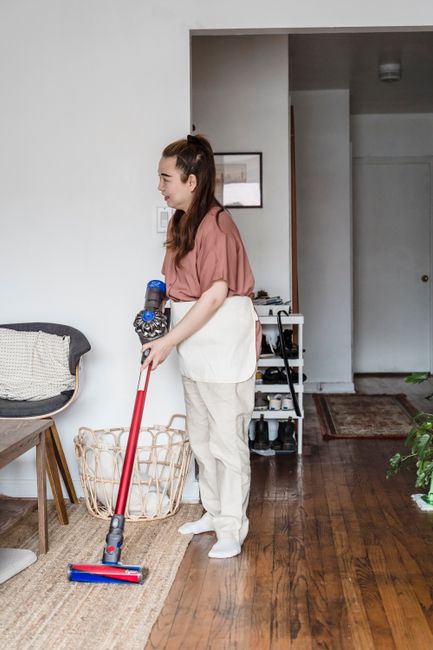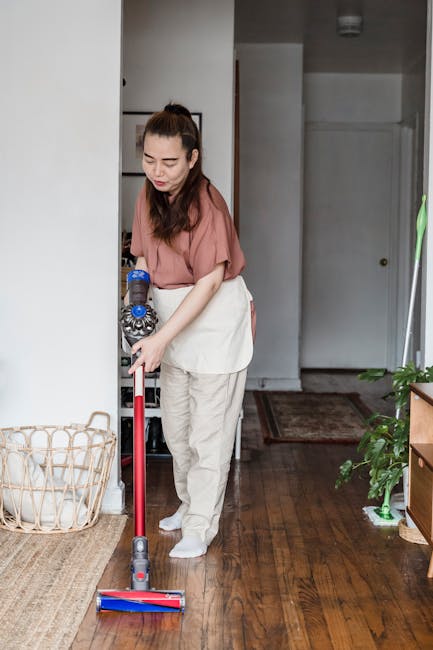
SW9 End of Tenancy Cleaning Checklist for Brixton Flats
Moving out of a Brixton flat can feel oddly chaotic at the best of times. Boxes everywhere, cable chargers going missing, landlord messages pinging through, and then the final hurdle: cleaning the place so it's ready for inspection. That's where a proper SW9 end of tenancy cleaning checklist for Brixton flats earns its keep. It helps you stay organised, avoid the usual last-minute panic, and make sure you're not leaving behind the kind of detail a letting agent spots in about three seconds flat.
This guide walks through what to clean, why it matters, how to tackle each area methodically, and where people most often trip up in Brixton flats. You'll also find a practical checklist, a comparison of cleaning approaches, and a realistic example of how the process tends to go in a lived-in SW9 home. Nothing fancy. Just useful, grounded advice that saves time and stress.
- Why the checklist matters
- How end of tenancy cleaning works
- Key benefits and practical advantages
- Who needs this and when it makes sense
- Step-by-step guidance
- Expert tips for better results
- Common mistakes to avoid
- Tools, resources and recommendations
- Law, compliance, standards and best practice
- Options and comparison table
- Case study or real-world example
- Practical checklist
- Conclusion
- Frequently asked questions
Why SW9 End of Tenancy Cleaning Checklist for Brixton Flats Matters
End of tenancy cleaning is not just about making a flat look presentable. In SW9, where lots of rentals are compact, high-traffic and sometimes a bit characterful in the way older London properties can be, the difference between a decent clean and a proper checkout clean can be quite noticeable. A thin layer of grease on a cooker hood, dust on skirting boards, a stained bath seal, or crumbs behind the toaster can quickly become a dispute point.
Let's face it: most move-outs happen when you're tired, pressed for time, and juggling a hundred other things. The checklist keeps you focused on the areas that matter most to landlords and managing agents. It also gives you a way to work through the flat logically, instead of cleaning the same room twice while forgetting the oven altogether. Yes, the oven. The one everyone forgets until the end.
For Brixton flats specifically, there are a few recurring themes. Space is often limited, so dust and clutter build up faster. Many homes have carpeted bedrooms, laminate or wood-effect floors, and lots of painted walls that show scuffs. Windows may sit close to busy roads, so grime and traffic film can collect quickly. The best checklist reflects those realities rather than pretending every flat is a showroom apartment.
Expert summary: A good move-out clean is about detail, sequencing, and proof. Clean from top to bottom, room by room, and keep it consistent with what a reasonable checkout inspection would expect.
How SW9 End of Tenancy Cleaning Checklist for Brixton Flats Works
The checklist works best when you treat the flat like a sequence of zones. Start with the emptiest areas first, remove loose items, and clean from the highest points down to the floor. That means dusting lights, tops of cupboards and shelves before you mop or vacuum. It sounds obvious, but under pressure people often mop first, then knock dust onto the fresh floor. Bit annoying, that.
A proper end of tenancy clean usually covers the same core areas: kitchen, bathrooms, bedrooms, living room, hallway, storage spaces, windows, appliances, and floors. Depending on the tenancy, you may also need extra attention on carpets, upholstery, and marks left on walls or doors. If the property has outside-facing glass or a balcony door, it's wise to include those too.
In practice, the checklist becomes your inspection mirror. As you work through it, you're asking: Would I be happy handing this back? Would a landlord call this clean enough on first pass? That simple test is usually more useful than any fancy jargon. If you want professional support for heavier jobs, a trusted end of tenancy cleaning service can take the pressure off, and for ongoing upkeep between moves, some people also use deep cleaning or one-off cleaning when life gets on top of them.
Key Benefits and Practical Advantages
A detailed checklist gives you more than a cleaner flat. It gives you control. That matters when you're trying to leave on good terms, protect your deposit, and avoid the awkward back-and-forth after keys are returned. The benefits are practical, not theoretical.
- Less chance of missed areas: You're less likely to forget places like extractor fans, inside drawers, or the top of door frames.
- Faster cleaning: A structured plan stops you drifting from room to room without really finishing any of them.
- Better inspection outcomes: Clean surfaces, fresh floors, and appliance interiors are exactly the things that tend to be checked.
- Lower stress on move day: The checklist breaks a big task into smaller, manageable steps. Much kinder on the brain.
- Useful for shared flats: In a Brixton house share or split-level flat, it helps allocate responsibilities fairly.
There's also a money angle, obviously. If you clean badly, you may end up spending more on a rushed rescue clean or on remedies after the inspection. If you clean well, you usually save time and avoid unnecessary friction. That's the real win.
Some tenants choose to combine move-out cleaning with specialist support such as carpet cleaning, oven cleaning, or window cleaning when those are the messiest elements in the property.
Who This Is For and When It Makes Sense
This checklist is for tenants, flatmates, landlords preparing a property for new occupants, and anyone managing a move-out in SW9 where the final clean needs to be done properly. It is especially useful if you're in a standard Brixton rental flat with a small kitchen, tiled bathroom, and carpeted bedrooms, because those layouts often hide dirt in awkward corners.
It also makes sense if you're short on time. If your tenancy ends on a Friday and your van is booked for Thursday afternoon, you probably don't want to be discovering burnt-on oven grease at 9pm the night before. That's when a checklist becomes a lifeline, not a nice-to-have.
For landlords and letting agents, the checklist helps set expectations before keys are handed over. For tenants, it offers a practical standard to work towards. For flatmates, it can stop the classic "I thought you were doing the bathroom" conversation. We've all seen that one unfold.
If the property includes a lot of soft furnishings, carpets or rugs, it may also be worth considering upholstery cleaning or rug cleaning as part of the final tidy-up.
Step-by-Step Guidance
Below is a practical move-out cleaning sequence that works well in Brixton flats. It's not the only way to do it, but it's a sensible one. And sensible is usually enough.
1. Clear the flat first
Remove all personal items, bin bags, food, toiletries, and anything left in cupboards, drawers, on shelves, or under beds. You cannot clean properly around clutter. It just doesn't happen. If there's a lot to remove, a coordinated house clearance approach may help, especially for bulky leftovers or unwanted items before the final clean.
2. Dust high surfaces
Start with tops of cupboards, shelves, curtain rails, light fittings, picture ledges, and the tops of door frames. Cobwebs love these areas. So do surprise dust patches behind radiators.
3. Tackle the kitchen properly
The kitchen is usually the most heavily scrutinised room. Clean the sink, taps, worktops, cupboard fronts, splashbacks, extractor hood, hob, oven, microwave, fridge, freezer, and bin area. Remove grease from handles and switches. Wipe inside drawers and cupboards. If there's burnt-on residue or a stubborn oven build-up, a dedicated oven cleaner can be a sensible choice.
4. Clean the bathroom edge to edge
Focus on the toilet, bath, shower tray, screen, tiles, grout, mirror, sink, plugs and taps. Check for limescale around fittings and soap residue around the tub. Clean extractor vents if reachable. Bathroom seals are often the detail people miss, and they're more visible than you'd think under a bright inspection light.
5. Refresh bedrooms and living areas
Dust skirting boards, light switches, wardrobes, shelves and window sills. Wipe marks from doors and handles. Vacuum carpets or mop floors carefully, getting right up to the edges. If the space has hard flooring, a specialist hard floor cleaning approach can help restore a more even finish without leaving streaks.
6. Clean internal glass and windows
Wash window panes, clean frames, remove dust from tracks, and wipe sills. If there are fingerprints, smudges or traffic film, they can make an otherwise tidy flat feel unfinished. Small thing, big visual impact.
7. Finish with floors
Vacuum thoroughly, then mop where appropriate. Move furniture if the tenancy requires it, and check behind doors, beside radiators, and under beds. If carpets are included in the inventory condition, a full carpet cleaning pass may be worth it rather than a quick vacuum-only job.
8. Do a final inspection in daylight
Natural daylight is brutally honest. It shows dust, streaks and missed marks better than most bulbs. Run through each room slowly and ask whether anything looks dull, sticky, smudged or forgotten. This final walk-through is often where the best fixes happen.
Expert Tips for Better Results
A few small habits make a surprisingly big difference. First, work in a logical order and don't bounce between rooms. Second, use the right cloth for the job. A damp microfibre cloth is great for most wipe-downs, but it will not solve baked-on grime by magic. Sadly.
Another useful tip: clean touchpoints twice. Handles, switches, cupboard pulls, and taps are touched constantly, so they often collect grease and fingerprints even after the rest of the room looks done. In a Brixton flat with a busy shared kitchen, these spots can make a clean space look oddly tired if they're neglected.
Use a small torch on your phone to check corners, shelves, and bathroom edges. It sounds slightly obsessive, but it helps. You can also open all cupboard doors and look at the inner hinges, where dust and old crumbs like to settle. Not glamorous. Very real.
If you're dealing with fabric sofas, chairs or mattress areas, consider whether sofa cleaning or upholstery cleaning would improve the final result enough to justify the effort. Sometimes yes, sometimes not. Judge it by the actual condition, not by hope.
And one more thing: keep a bag for rubbish, a bag for laundry, and a bag for items you're taking with you. It stops clutter bouncing around the flat while you're cleaning. Simple, but effective.
Common Mistakes to Avoid
Most move-out cleaning problems are not dramatic. They're just little oversights repeated across a whole flat. The trouble is, little oversights add up.
- Cleaning before everything is removed: It wastes time and leaves hidden dirt behind furniture.
- Forgetting kitchen appliances: Especially ovens, fridge seals, extractor fans and the inside of the microwave.
- Ignoring bathroom details: Limescale, grout, sealant and toilet bases are inspection magnets.
- Using the wrong products: Harsh chemicals can damage finishes, particularly on painted surfaces and delicate worktops.
- Leaving carpet marks untreated: A quick vacuum won't always shift spill marks or flattened fibres.
- Missing edges and corners: The centre of the room may look perfect while skirting boards tell a different story.
- Forgetting to ventilate: A clean flat should smell clean, not damp, sour or chemically heavy.
The biggest mistake, truth be told, is assuming the flat looks fine enough. "Fine enough" and "checkout ready" are not always the same thing. Landlords and agents tend to notice the difference.
Tools, Resources and Recommendations
You do not need a van full of kit to do a good move-out clean. But the right basics make the whole process far easier.
| Item | Why it helps | Best used for |
|---|---|---|
| Microfibre cloths | Lift dust and grime without leaving fluff | Surfaces, glass, taps, cupboards |
| Vacuum cleaner with attachments | Reaches corners, edges and upholstery | Carpets, skirting edges, sofas, under furniture |
| Mop and bucket | Good for sealed floors and tiled areas | Kitchen, hallway, bathroom floors |
| Non-abrasive cleaning spray | Useful on worktops and most hard surfaces | General wipe-downs |
| Scraper or specialist pad | Helps with stubborn residue if used carefully | Hob spillages, glass, oven surfaces |
| Bucket with warm water | Simple, reliable, and easy to control | Rinsing cloths, wiping areas clean |
For heavier work, professional support may be the better choice. A cleaning company with end of tenancy experience will understand the order of work and the usual inspection pressure. If you need someone more general for a final tidy, a cleaner or team of cleaners may suit a smaller flat or a lighter job. For regular upkeep before a move, domestic cleaning can help stop grime building up in the first place.
If you're comparing options, it can also be worth looking at home cleaners for everyday support or house cleaning if the property is more of a full house share than a compact flat. Different jobs, different fit.
Law, Compliance, Standards, or Best Practice
Tenancy cleaning expectations are usually governed by the tenancy agreement, the inventory, and the condition of the property at move-in versus move-out. In the UK, the safest approach is to compare the flat to the check-in report and aim to return it in a similarly clean condition, allowing for fair wear and tear. That phrase matters. A little wear from normal living is not the same as actual dirt or damage.
It's wise to keep a calm, evidence-based mindset. Take photos once the property is clean, especially if there were problem areas before you started. That helps if any dispute comes up later. Not every tenancy needs this level of documentation, but it can be useful in practice.
Health and safety also matter during cleaning. Use products as directed, keep rooms ventilated, avoid mixing chemicals, and be careful on wet floors. If you're lifting boxes or moving appliances, don't rush. The last thing anyone needs on move-out day is a strained back because a fridge was shoved about in socks. That would be very Brixton, but not in a good way.
If you're hiring help, it is sensible to check whether the business communicates clearly about safety, insurance and service scope. Pages such as insurance and safety and health and safety policy can give you a feel for how a provider approaches risk and responsibility. You can also review practical terms through terms and conditions and service detail via pricing and quotes.
Options, Methods, or Comparison Table
There are usually three sensible ways to handle SW9 move-out cleaning: do it yourself, split the work with flatmates, or book professionals. Each has its place. The right choice depends on time, budget, and how demanding the property is.
| Method | Best for | Pros | Watch out for |
|---|---|---|---|
| DIY cleaning | Smaller flats, light mess, limited budget | Cheaper, flexible, full control | Takes time, easy to miss details, tiring at the end of a move |
| Shared effort with flatmates | House shares and multi-occupancy flats | Splits workload, faster if organised properly | Uneven standards if nobody owns a room or task clearly |
| Professional clean | Heavier build-up, strict checkout requirements, time pressure | More thorough, less stress, better for stubborn areas | Costs more than DIY, needs booking and clear brief |
If you have carpeted rooms, stained fabric, or stubborn oven grease, the professional route often makes sense. If the flat has had recent decorating or repairs, you may even need something closer to after builders cleaning than a standard tidy-up. Different mess, different method.
Case Study or Real-World Example
A fairly typical Brixton move-out might go like this: a two-bedroom SW9 flat, one bathroom, a small galley kitchen, and carpet in both bedrooms. The tenants think they've done enough after a Saturday afternoon clean, but the checkout list still flags the oven, the inside of the fridge, the bathroom taps, and dust on the wardrobe tops. Nothing wild. Just the usual details that get missed when people clean in a hurry.
They come back the next morning with a plan. First, all belongings are out. Then the kitchen gets stripped down: shelves emptied, cupboards wiped, oven scrubbed, sink polished, handles degreased. One person tackles the bathroom while the other vacuums, dusts and mops. They finish with a slow daylight check and catch a few fingerprints on the bedroom mirror plus a bit of dust behind a radiator. Fixed in minutes.
The important bit here is not perfection. It's sequence and attention. Once the cleaning was treated as a checklist rather than a vague chore, the flat looked properly finished. You could almost hear the relief in the room, to be fair.
Practical Checklist
Use this as your final walk-through for a Brixton flat in SW9. Tick each item off slowly. If something doesn't apply, skip it. If something is very dirty, give it more time than you think it deserves.
- Entrance and hallway
- Remove cobwebs from corners and ceilings
- Wipe door handles, switches and frames
- Vacuum or mop floors
- Clean skirting boards and visible marks
- Living room
- Dust shelves, windowsills and furniture surfaces
- Clean mirrors and internal glass
- Vacuum carpets and under furniture
- Wipe marks from doors and light switches
- Bedrooms
- Dust wardrobes, bed frames and shelves
- Vacuum carpet edges and corners
- Check under beds and behind furniture
- Wipe window sills and handles
- Kitchen
- Clean oven, hob, extractor and splashback
- Wipe inside and outside cupboards
- Clean fridge, freezer, microwave and sink
- Degrease handles, switches and tiles
- Empty bin area and remove residue
- Bathroom
- Scrub bath, shower, screen and tray
- Remove limescale from taps and fittings
- Clean toilet, base and surrounding areas
- Wipe mirror, cabinet fronts and tiles
- Polish sink and clear drains of visible debris
- Floors and finishing touches
- Vacuum all carpets thoroughly
- Mop hard floors with minimal streaking
- Check corners, edges and under radiators
- Open windows briefly to air the flat
- Do a final daylight inspection room by room
If you want a more tailored result, the service mix can be adjusted. For example, a flat with worn carpets may benefit from carpets cleaner support, while a property with tired blinds or soft furnishings may call for specialist sofa cleaning alongside the move-out work.
Conclusion
A good SW9 end of tenancy cleaning checklist for Brixton flats does more than keep you organised. It gives you a fair, realistic way to hand back the property in a condition that matches normal checkout expectations. Start with decluttering, clean top to bottom, pay extra attention to the kitchen and bathroom, and don't ignore edges, handles or hidden dust. Those tiny details matter more than people think.
In a busy move, the checklist becomes a kind of quiet safety net. It won't make packing fun. Nothing will. But it will make the last stage feel manageable, and that is often exactly what you need when you're leaving a place that's been home, even temporarily.
Get a free quote today and see how much you can save.
If you are comparing providers, it can also help to read more about the company behind the service, including the about us page and practical policies like recycling and sustainability or payment and security. A little transparency goes a long way when you're choosing who to trust with the final clean.
Frequently Asked Questions
What should be included in an SW9 end of tenancy cleaning checklist for Brixton flats?
It should cover every main room plus hidden areas: kitchen appliances, bathroom fittings, skirting boards, internal glass, floors, cupboards, doors, switches and window sills. The goal is to return the flat in a clean, inspection-ready condition.
Do I need professional cleaning to pass a checkout inspection?
Not always. If the flat is lightly soiled and you have time, a careful DIY clean may be enough. But if the property has heavy grease, stained carpets or lots of detail work, professional help often reduces the risk of missed areas.
How clean does the oven need to be at the end of a tenancy?
As clean as the tenancy agreement and condition of the property reasonably require. In practice, that usually means removing grease, burnt residue, food deposits and grime from racks, trays, doors and seals. The oven is one of the most commonly checked items.
Should I clean carpets separately for a Brixton flat move-out?
If the carpets are visibly marked, flattened or dusty, yes, it is often worth doing more than a quick vacuum. Some tenancies expect a deeper finish, especially where carpets were present at check-in in good condition.
How long does end of tenancy cleaning usually take?
It depends on the size and condition of the flat. A small, tidy flat may take a few hours, while a larger or more heavily used property can take much longer. Time always stretches when the oven is involved.
What are the most common things landlords notice first?
Kitchens and bathrooms, always. After that, they tend to notice dust on high surfaces, marks on walls and doors, carpet condition, and any grime around taps, appliances or seals. The obvious stuff, basically.
Can flatmates split the end of tenancy cleaning checklist?
Yes, and in many shared flats that is the most practical approach. Just make sure each person has clear responsibilities and that one person does a final overall check. Otherwise the clean can end up uneven.
Is window cleaning part of end of tenancy cleaning?
Usually internal windows, frames and sills are included or at least strongly expected. External windows depend on access, tenancy terms and what was agreed originally. If the glass is visibly dirty, it is worth dealing with it.
What if I find stains or damage during the clean?
Deal with cleaning first, then separate out anything that looks like damage rather than dirt. Stains, chips, burns or broken fittings should be treated differently from ordinary grime. If needed, document them with photos before handing back the keys.
Can I use the same checklist for a house share and a one-bed flat?
The core checklist is similar, but a house share may need extra coordination because communal spaces get heavier use. A one-bed flat is usually simpler to manage, but the quality standard still needs to be consistent.
What is the best order to clean a Brixton flat before moving out?
Clear out all belongings first, then dust high surfaces, clean the kitchen and bathroom, tackle living spaces and bedrooms, and finish with floors and a final daylight check. That order keeps you from undoing your own work.
Where can I find more about the company's service standards?
You can review useful service information through pages such as terms and conditions, insurance and safety, and complaints procedure. Those pages help you understand how the business handles service expectations and support.